In high-volume logistics, the question isn't just "Does it work?" but "Does it work at scale?" Achieving mass-scan success isn't just about having a powerful reader; it's about the synergy between that reader and the labels you choose.
In high-volume logistics, the question isn't just "Does it work?" but "Does it work at scale?"
When you search for "can rfid reader read multiple tags at once," you are looking for the holy grail of efficiency: the ability to scan an entire pallet or a full shipment in seconds. Achieving this isn't just about having a powerful reader; it's about the synergy between that reader and the labels you choose.
After 7 years of managing RFID projects, I've learned that the "mass scan" is where your hardware is truly tested. Success comes down to selecting a label that is specifically designed to perform in high-density environments.
Why Label Quality Determines Your "Mass Read" Success
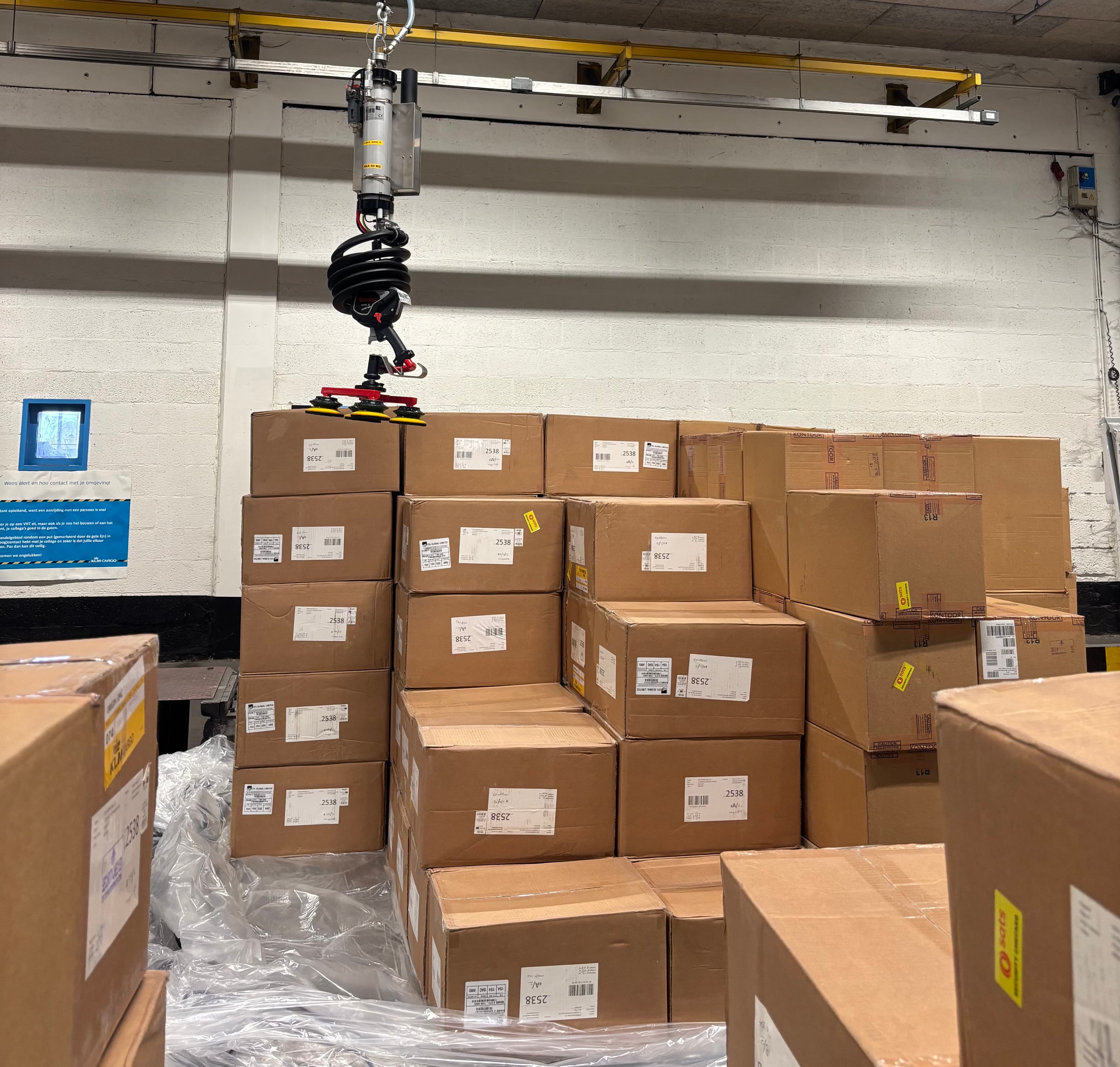
In a high-density environment, your labels aren't just stickers; they are data-transmission devices working in an incredibly "crowded" room. From my experience in the field, I've found that mass-scan success depends on three specific quality markers that we prioritize in our shop:
1. "Wake-Up" Sensitivity
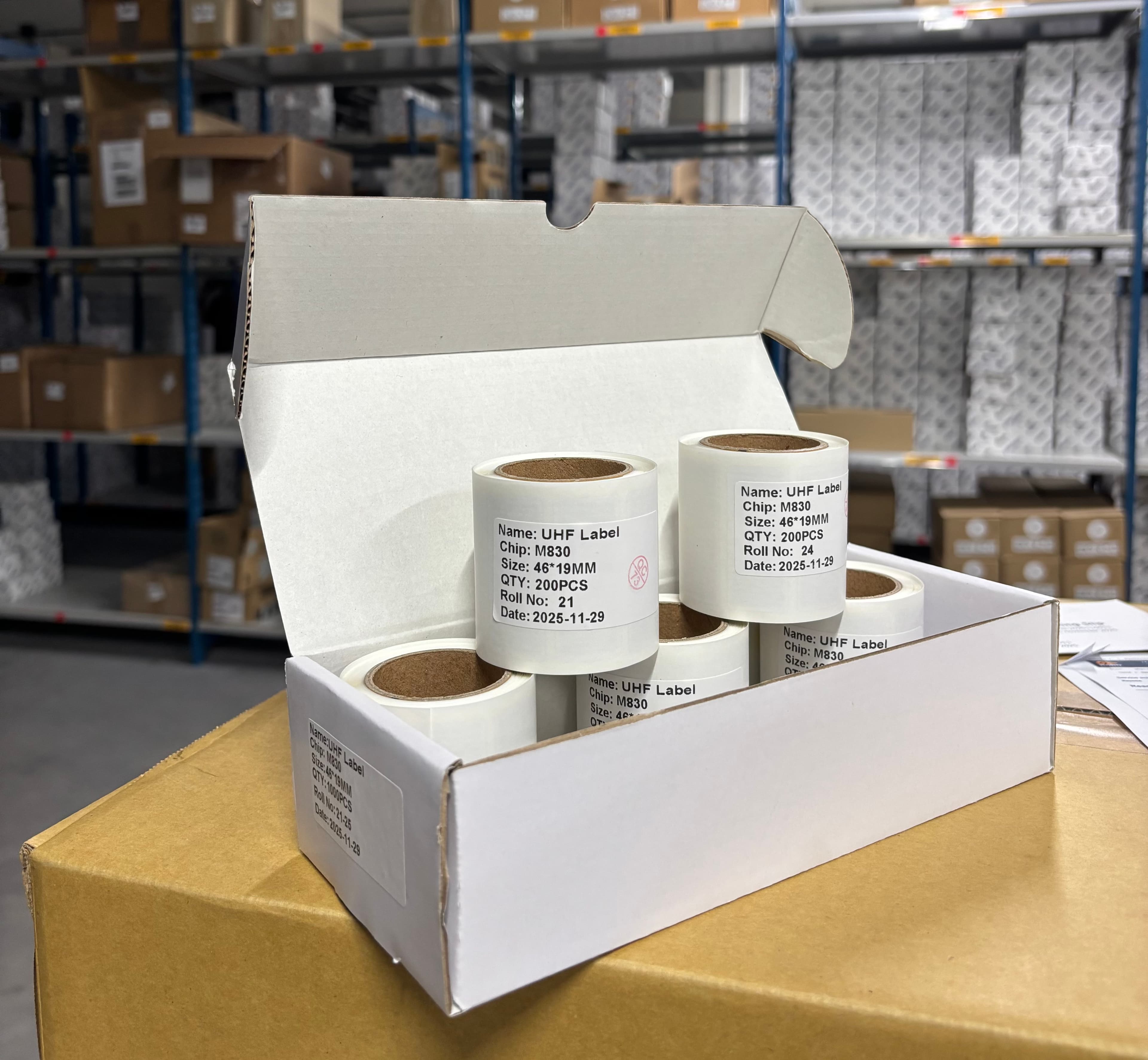
The labels in the center of a pallet receive much less energy from the reader than the ones on the outside. We only stock labels featuring the latest technology chips (like the Impinj M700 series and NXP UCODE 9) because they have a significantly lower "activation threshold." This means they can "wake up" and respond even when the signal is weak, ensuring you don't miss those hidden items in the heart of a shipment.
2. Modern Anti-Collision Logic
When an RFID reader scans a dock door, it's like a teacher asking a question to 500 students at once. If everyone shouts the answer simultaneously, the teacher hears nothing. Quality labels use advanced "anti-collision" algorithms. They allow the tags to coordinate their responses in milliseconds. By choosing modern, high-quality inlays, you are ensuring that your "students" (labels) speak in a perfectly organized line.
3. Antenna Consistency
In lower-quality labels, the antenna's tuning can vary from one sticker to the next. In a mass scan, this inconsistency leads to "blind spots." Because we vet our off-the-shelf products for manufacturing precision, you get a consistent read-range across the entire roll.
A Partner Who Understands the Stakes
We don't just want to be a supplier; we want to be the partner that ensures your pilot program actually scales to a full rollout. Because we were once in your shoes—buying labels and facing the challenges of "No-Reads", we vet every product in our shop for real-world reliability.
When you work with us, you aren't just getting an off-the-shelf price; you're getting the peace of mind that comes from:
- Environmental Insight: We help you determine if your specific products (liquids, metals, or dense textiles) require a 100% customizable inlay to achieve the read rates you need.
- Future-Ready Tech: By only stocking the most modern chip generations, we ensure your system is compatible with the latest reader hardware.
- Transparent Expertise: We dare to offer low prices not by cutting corners, but by focusing on a lean, digital-first model that prioritizes your project's success over high markups.
Precision Over "One Size Fits All"
The secret to a 99.9% read rate isn't finding the "best" tag in the world, it's finding the right tag for your specific density and speed. Whether you are tracking high-speed conveyor belts or static inventory in a cold-storage room, the chip and antenna must be matched to the task.
Our goal is to be the expert resource you can trust. We have lived through the project challenges you are facing today, and we have built our collection to ensure you have the right tools to solve them.
Browse our High-Density RFID Labels and let our expertise work for your business. Need help deciding? Our team is ready to assist you in finding the ideal tag for your project!